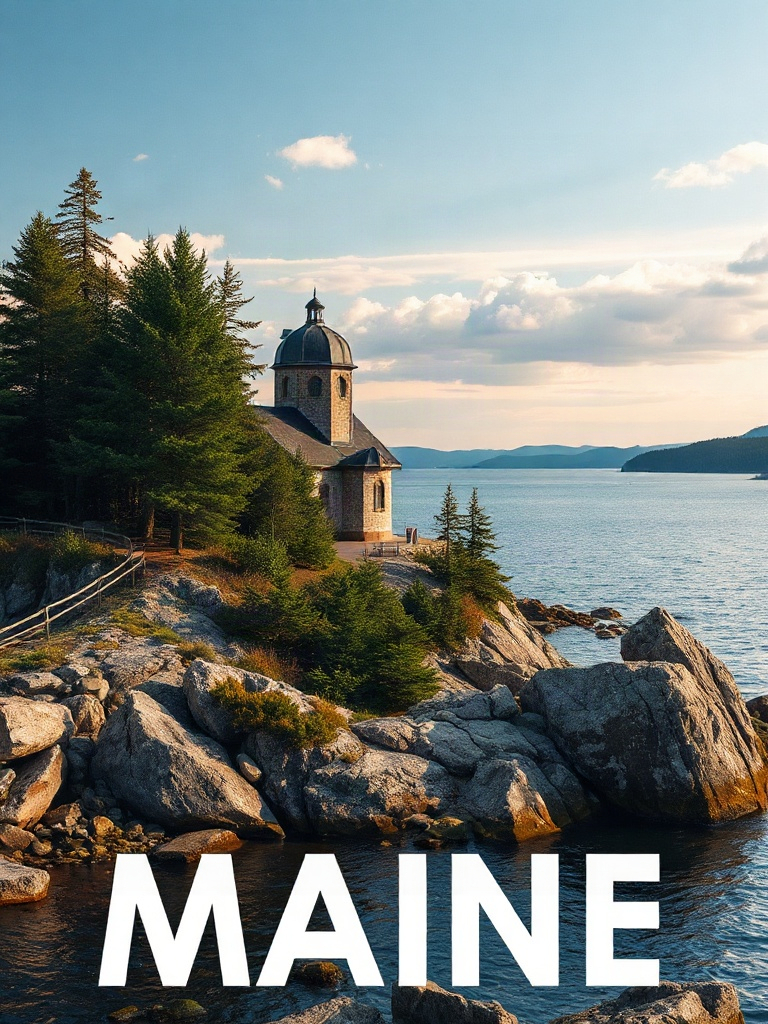
How Maine’s Coast Is Building Resilience: Practical Strategies for Communities
Maine’s coast is a draw for visitors and a lifeline for communities — but it’s also on the front lines of environmental change. From rocky headlands and working harbors to salt marshes and island villages, coastal resilience is becoming a practical focus for residents, businesses, and planners who want to protect what makes Maine special while keeping local economies strong.
Why coastal resilience matters here
The ocean shapes Maine’s identity: commercial fishing and aquaculture, tourism, lighthouses, and small-town harbors all depend on healthy coastal systems. Shifts in sea level, stronger storm surges, and changing seasonal patterns affect seafood harvests, shoreline properties, roads, and cultural landmarks. For towns that rely on summer visitors and year-round fisheries, even modest impacts can ripple across the local economy.
Practical strategies that are working
Communities along the coast are using a mix of nature-based and structural approaches to reduce risk while preserving scenic character and habitat:
– Living shorelines: Replacing hardened seawalls with salt marsh restoration, oyster reefs, and cobble berms can absorb wave energy, reduce erosion, and support fisheries habitat. These softer solutions age more gracefully and provide ecological benefits that concrete never will.
– Marsh and dune restoration: Rebuilding dunes and restoring tidal wetlands improves natural flood storage and supports bird and shellfish populations. Restored marshes also store carbon, a growing focus for conservation funding.
– Elevated infrastructure and managed retreat: Towns are prioritizing critical roads, utilities, and stormwater systems for elevation or relocation. In some places, repeated flood-prone buildings are being moved inland or repurposed to reduce long-term risk.
– Community planning and zoning updates: Shoreland zoning that protects buffer areas, limits shoreline hardening, and guides new construction away from vulnerable zones helps align development with changing conditions.
What residents and property owners can do
Homeowners and business owners can take cost-effective steps to reduce vulnerability and protect investments:
– Improve drainage and grading so stormwater moves away from foundations. Small changes to landscaping and gutters can help during high-water events.
– Use native, deep-rooted plants in buffers to stabilize soil and slow erosion.
– Consider elevating critical electrical systems and heating equipment above expected flood levels.
– Review insurance options and document property condition. Flood insurance and clear records can speed recovery after a loss.
– Engage in local planning processes. Many municipalities welcome input from residents on resilience projects, harbor plans, and recreational infrastructure.
Opportunities for visitors and volunteers
Visitors can help by choosing low-impact recreation, supporting local businesses that practice sustainable sourcing, and volunteering for beach cleanups, oyster restoration, or citizen science shoreline monitoring.
Island ferries and coastal trails remain accessible ways to experience Maine’s coast while supporting communities that steward these places.
Maine’s coast is resilient when communities, scientists, and businesses work together to balance preservation with adaptation. By embracing natural solutions, rethinking where and how we build, and investing in shared infrastructure, coastal towns can protect both livelihoods and the landscapes that draw people from near and far.