Vermont Living: Outdoor Adventure, Local Food, and Sustainable Community
Vermont’s appeal is rooted in a blend of wild landscape, local food culture, and a long-standing commitment to conservation. Whether planning a visit, considering a move, or simply exploring sustainable-living ideas, understanding what makes Vermont distinct helps you experience the state beyond postcards of covered bridges and fall color.
What defines Vermont living
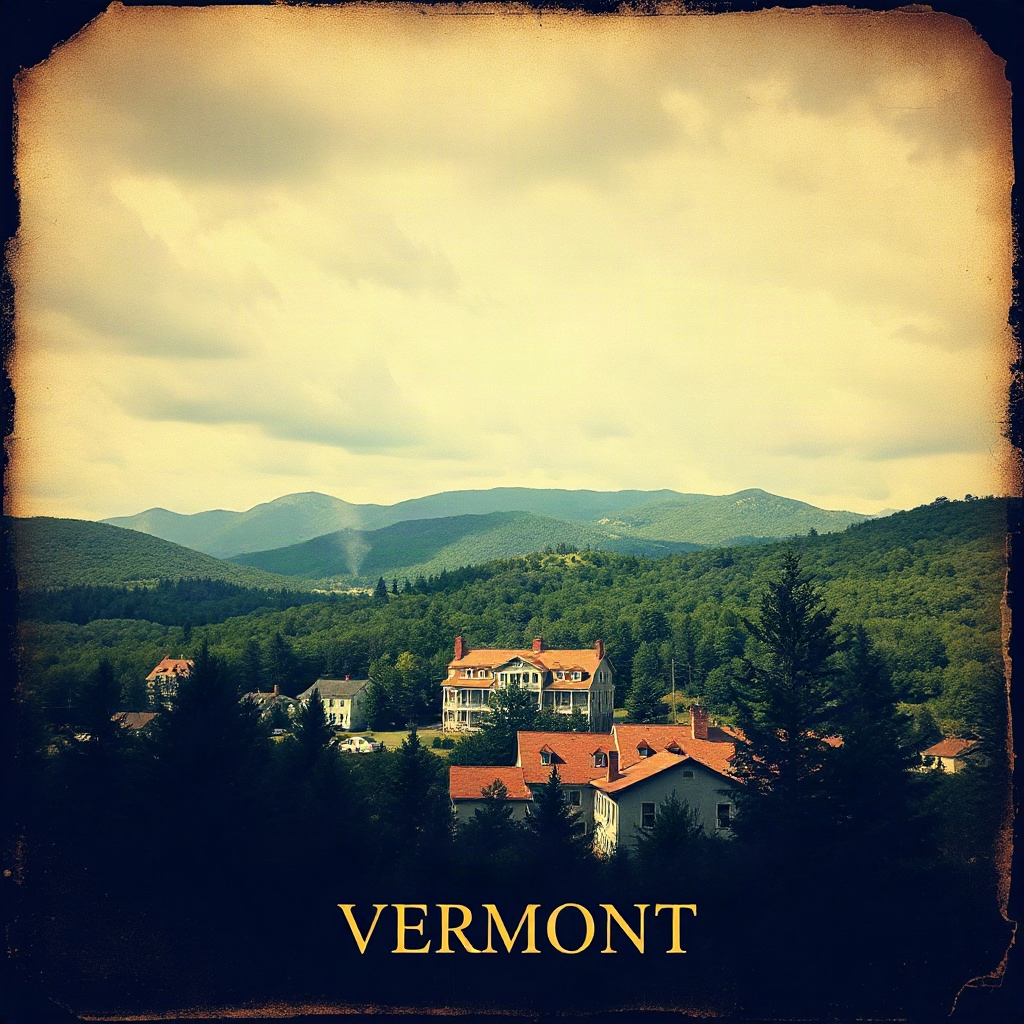
Vermont emphasizes outdoor access and community-scale economies. The Green Mountains shape much of daily life—hiking, skiing, and mountain biking are easy to access, and smaller towns center around farmers’ markets, craft shops, and seasonal festivals.
That combination of rugged landscape and local enterprise creates a lifestyle that prioritizes local sourcing, small-business resiliency, and land stewardship.
Agriculture and local food
Vermont’s agricultural scene stretches beyond well-known products like maple syrup. Small-scale dairy, organic vegetable farms, cheesemakers, and mixed-use farms form strong local food networks.
Farm-to-table restaurants and weekly markets make it easy for residents and visitors to buy high-quality, traceable food. For travelers, visiting a farm stand or a creamery offers a practical connection to the region’s food system.
Outdoor recreation and wellness
Access to trails, waterways, and state parks supports both outdoor adventure and wellness tourism. Popular activities include:
– Hiking and trail running on multi-use routes across the Green Mountains
– Paddling and fly-fishing on lakes and rivers
– Mountain biking on purpose-built trails and rail-trails
– Cross-country and downhill skiing at regional resorts and Nordic centers
Outdoor businesses, guiding services, and gear shops are integral to local economies, and many communities invest in trail maintenance and river stewardship to support year-round recreation.
Sustainability and energy innovation
Sustainability is a practical priority rather than a trend. Community solar projects, small-scale hydro and biomass initiatives, and support for energy-efficiency programs reflect a focus on renewable energy that fits rural landscapes. Conservation organizations and land trusts play a key role in protecting working forests and farmland, ensuring both ecological health and continued access to outdoor space.
Small-business culture and creative economies
Vermont’s business scene favors small, owner-operated enterprises—craft breweries, artisanal bakeries, woodworkers, and makers dominate. That diversity supports tourism while keeping economic benefits local.
For entrepreneurs and remote workers, co-working spaces and community-oriented business programs offer ways to plug into local networks.
Practical tips for visitors and newcomers
– Plan around activities rather than strict dates—some of the best experiences happen in shoulder seasons when trails and roads are quieter.
– Look for farm tours and tastings to connect with local producers—many farms welcome visitors by appointment.
– Use local transit options where available and explore bike-friendly routes for short-distance travel.
– Respect private land and trail etiquette—many popular trails cross conserved land or partner with landowners.
Vermont remains a model for connecting outdoor recreation, food systems, and sustainable community development. Whether you’re chasing scenic routes, sampling small-batch goods, or exploring long-term living possibilities, the state rewards curiosity and a willingness to slow down and engage with local culture.