Vermont Travel Guide: Maple Syrup, Farm-to-Table Eats & Small-Town Charm
Vermont’s blend of rugged landscape, small-town culture, and food-forward lifestyle makes it a standout destination for travelers and residents seeking a slower, more intentional pace. From the winding roads of the Green Mountains to lively downtowns like Burlington, Vermont marries outdoor adventure with a strong commitment to local food, craft culture, and environmental stewardship.
Maple syrup and farm-to-table food
Maple syrup is a cultural and economic cornerstone. Visitors can tour sugarhouses to see sap collection and evaporation, sample different grades of syrup, and buy fresh bottles directly from producers.
Many sugarhouses also offer seasonal breakfasts and farm markets, pairing syrup tastings with local cheeses, baked goods, and sensory experiences that highlight rural life.
Vermont’s farm-to-table ethos extends beyond maple. Local farms, co-ops, and restaurants emphasize seasonal produce, grass-fed meats, and artisanal cheeses. Farmers’ markets and farm stands are great places to meet producers and discover small-batch products, from heirloom vegetables to handcrafted charcuterie.
Outdoor recreation and scenic drives
The Green Mountains and Lake Champlain provide endless options for outdoor enthusiasts. Hiking trails range from family-friendly loops to challenging backcountry routes.
Mountain biking, kayaking, and cross-country skiing draw year-round visitors, while quieter pursuits—birding, photography, and scenic drives—appeal to those who prefer a gentler pace.
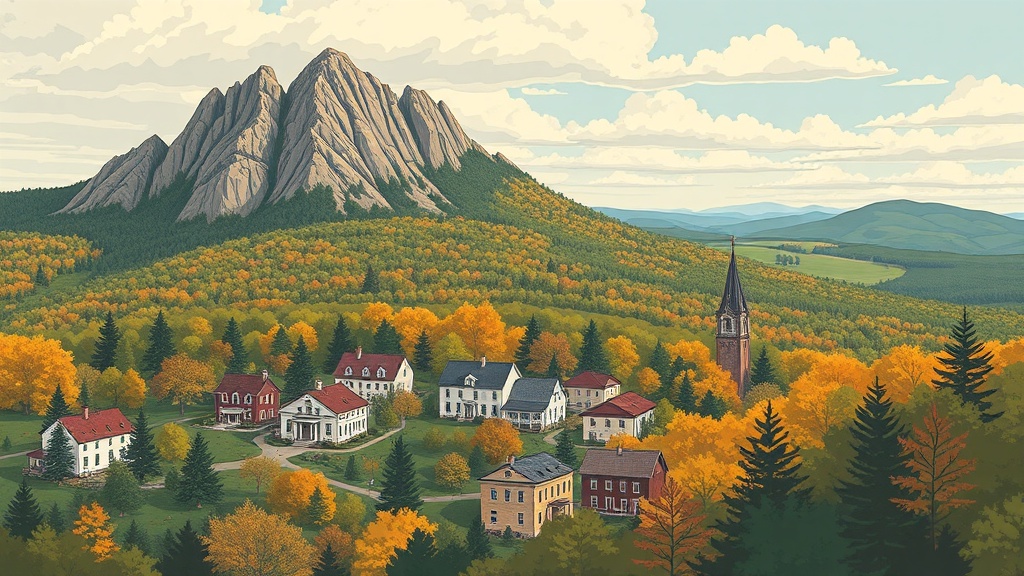
Fall foliage is a major draw, with scenic byways offering panoramic views as leaves change. Well-marked routes and state parks make it easy to plan a day trip or a multi-day exploration. For families, many towns feature accessible trails and interpretive centers that bring local ecology to life.
Small towns, arts, and community culture
Vermont’s towns emphasize local shops, craft breweries, and live music venues. Main Streets often host seasonal festivals, art walks, and community farm dinners that spotlight local talent and cuisine. Craft breweries and distilleries continue to innovate, blending traditional methods with experimental flavors—many offer tastings plus tours that reveal the production process.
Arts and crafts are woven into community life. Galleries, studios, and craft fairs showcase pottery, textiles, woodworking, and fine art. Creative residencies and cooperative spaces help small-scale artists thrive and keep cultural production local and accessible.
Sustainability and local policy
Sustainability is a visible priority.
Community-supported agriculture, renewable energy projects, and conservation initiatives drive local decision-making.
Many municipalities focus on preserving working landscapes—farmland, forests, and watersheds—while encouraging responsible tourism that supports local economies without overburdening infrastructure.
Practical tips for visitors
– Book accommodations early for popular seasons; look for inns and B&Bs for a personal touch.
– Pack layers—mountain weather can change quickly.
– Visit farmers’ markets for fresh food and local recommendations from vendors.
– Respect private property and outdoor ethics: stay on marked trails and follow Leave No Trace principles.
– Try a sugarhouse breakfast or an agritourism experience to connect with local producers.
Whether you’re drawn by outdoor adventure, culinary exploration, or quiet village life, Vermont offers a distinct blend of natural beauty and community-focused living. The state rewards travelers who slow down, explore local flavors, and connect with the land and people that shape its character.