Why Berklee College of Music Remains the Top Choice for Contemporary Musicians
Berklee College of Music: why it remains a top choice for contemporary musicians
Berklee College of Music is known for its focus on contemporary music education, industry-ready skills, and a collaborative campus culture that attracts students from around the world. Whether you’re a performer, producer, composer, or entrepreneur, Berklee’s blend of hands-on training, technology, and real-world connections makes it a strong option for musicians who want to build sustainable careers.
What sets Berklee apart
– Contemporary curriculum: Courses emphasize modern styles, technology, and business skills alongside traditional music fundamentals. Programs span performance, songwriting, music production, film scoring, music therapy, and music business/management.
– Studio and production resources: Students have access to professional studios, digital audio workstations (Pro Tools, Ableton, Logic), and specialized labs for electronic music and sound design.
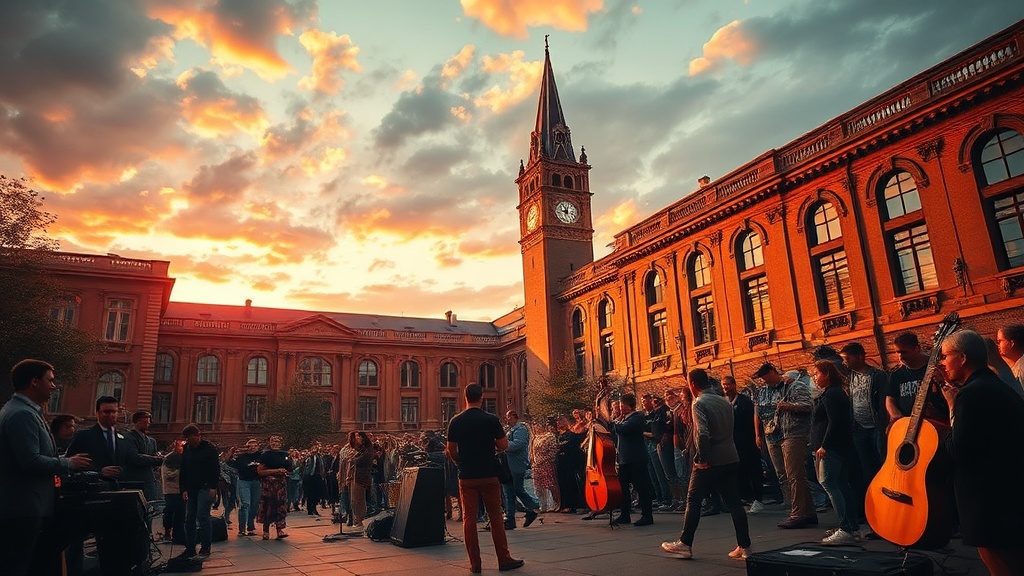
– Collaboration-first environment: Ensembles, cross-department projects, and frequent live performance opportunities encourage creative partnerships across genres and cultures.
– Global reach: In addition to on-campus programs, Berklee offers robust online courses and international programs that expand learning beyond a single campus.
– Industry connections: Visiting professionals, masterclasses, internships, and showcases help bridge the gap between study and career.
Programs and specializations
Berklee supports a wide range of specializations that reflect how the music industry operates now. Popular areas include:
– Music performance (jazz, contemporary, vocal, instrumental)
– Songwriting and lyric craft
– Music production and engineering
– Electronic Production and Design (EPD)
– Film, TV, and media scoring
– Music business, entrepreneurship, and music technology
– Music therapy and education
Practical learning and career development
One strength of Berklee’s approach is that classroom learning is paired with market-facing experiences. Students produce EPs, score visual media, manage live events, and take part in internships with labels, studios, and tech companies.
Career services, alumni networks, and industry showcases create pathways to freelance work, session gigs, sync placements, and full-time roles in music companies.
Tips for prospective students
– Prepare a focused portfolio: Select recordings or performance clips that highlight your best, most recent work. Quality and authenticity beat quantity.
– Show versatility and vision: Programs value musicians who can perform, write, produce, or collaborate across styles.
– Demonstrate technical fluency: Basic competency in DAWs, recording, and music notation strengthens an application for production and composition tracks.
– Explore online and summer options: Short programs and online certificates are useful ways to test fit and build skills before committing to a degree.
– Investigate scholarships and financial aid: Many merit and need-based opportunities exist; applying early improves chances.
Campus life and community
Berklee’s culture emphasizes global perspectives, creativity, and experimentation. Student ensembles, open mic nights, and community programs create continuous performance outlets. Community initiatives and partnerships expand access to music education for underserved populations, reflecting a commitment to social impact alongside artistic development.
If you’re weighing options, consider whether you want an immersive, contemporary environment with strong production and industry links. Berklee can be particularly powerful for students who thrive in collaborative settings and want direct exposure to the tools and networks that shape today’s music careers. Explore program details, listen to student work, and attend a campus visit or virtual information session to see how the school aligns with your artistic goals.