Boston Weekend Guide: Top Neighborhoods, Must-Do Attractions & Best Eats
Boston blends storied history, cutting-edge innovation, and compact city living into an irresistible urban experience.
Whether you’re planning a weekend visit or living locally, the city’s walkable neighborhoods, world-class institutions, and dynamic food scene make it easy to fill days with discovery.
Neighborhoods to explore
– Back Bay: Known for tree-lined streets, brownstones, and upscale shopping along Newbury Street, Back Bay pairs elegant architecture with easy access to the Charles River Esplanade — a favorite for runners and sunset strolls.
– Beacon Hill: Narrow, gas-lit streets and brick facades create picture-perfect scenes just steps from the Common and State House.
– North End: Boston’s Italian neighborhood is a must for pastry shops, family-run trattorias, and lively cafes. It’s the kind of place where food and history coexist on every corner.
– Seaport District: Once industrial, the waterfront Seaport now hosts modern dining, immersive cultural venues, and a thriving startup scene. It’s a great place for waterfront dining and evening views.
– Fenway and Longwood: Beyond baseball, this area offers museums, music halls, and strong student energy thanks to nearby universities.
– Cambridge (across the river): Home to major research institutions, independent bookstores, and inventive eateries, Cambridge is an intellectual and culinary hotspot.
Top things to do
– Walk the Freedom Trail to connect major sites via a red-brick route through the city, or pick neighborhoods to explore more slowly and soak up local shops and cafés.
– Visit world-class museums and performance venues: visual arts, science museums, and orchestras offer rotating exhibitions and concerts that appeal to a wide range of tastes.
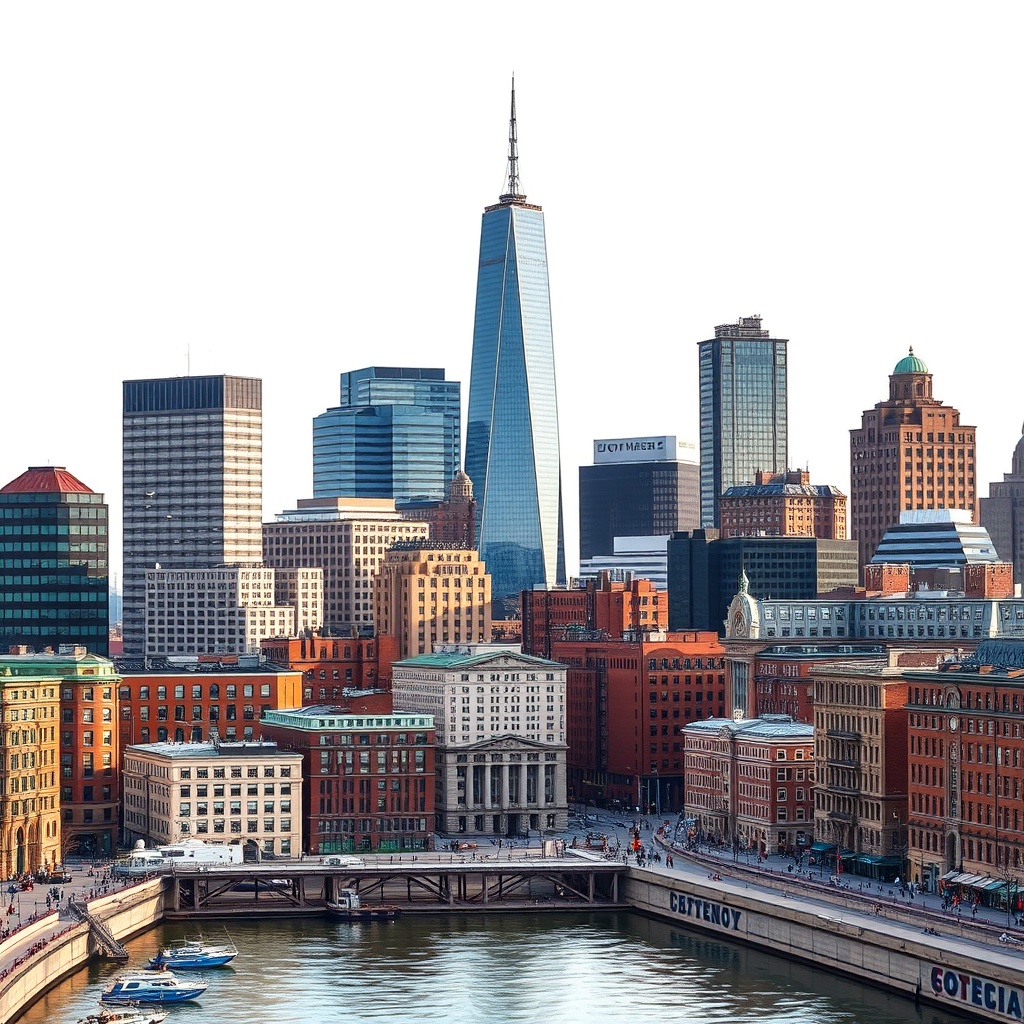
– Take a harbor cruise or stroll the Harborwalk to enjoy the city from the water and see the skyline from a fresh perspective.
– Catch a game or a concert at one of the city’s iconic venues for a classic local experience.
Food & drink
Boston’s culinary identity is both traditional and experimental. Classic New England seafood — clam chowder, lobster rolls, oysters — sits alongside modern tasting menus and plant-forward concepts. For markets and local producers, visit neighborhood markets and the public food hall scene that spotlight New England ingredients.
Nightlife ranges from cozy pubs to rooftop bars with skyline views.
Getting around
The city’s compact layout makes walking one of the best ways to explore. For longer trips, public transit is practical and widely used; mobile apps make trip planning straightforward.
Bike-share systems and ferries are handy options for crossing the river and enjoying scenic commutes.
Practical tips
– Plan neighborhood-focused days to minimize transit time and maximize discovery.
– Look for reservations at popular restaurants, especially on weekends.
– Check museum and venue websites for timed-entry tickets and special exhibitions.
Why Boston works
The city’s scale makes it human — dense enough for cultural depth but small enough to feel navigable. The convergence of universities, hospitals, startups, and cultural institutions creates a high-energy environment where tradition and innovation coexist. For visitors and locals alike, Boston offers a blend of historic charm, green spaces, and a food scene that keeps evolving.
Whether you’re drawn by museums, music, sports, or food, Boston rewards curiosity.
Pack comfortable shoes, bring an appetite for exploration, and let the neighborhoods guide your next visit.