Northeastern University’s Experiential Learning & Co-op Programs: How They Launch Career-Ready Graduates
Northeastern University stands out for blending rigorous academics with immersive, career-focused experiences. Known for a strong emphasis on experiential learning, the university connects classroom knowledge with real-world practice through an integrated system of professional placements, research collaborations, and entrepreneurship support.
That blend makes Northeastern a compelling choice for students who want education that translates directly into career momentum.
What makes the experiential model work
At the core of Northeastern’s approach is a structured experiential framework that embeds work and research into the curriculum.
Students take part in paid, credit-bearing placements with companies, nonprofits, hospitals, and research labs.
Those placements often alternate with academic terms, allowing learners to apply new skills immediately and return to coursework with practical context. This cycle accelerates skill development and expands professional networks before graduation.
Academic strengths and interdisciplinary focus
Northeastern is organized around interdisciplinary colleges and research institutes that emphasize applied problem-solving. Popular areas include health sciences and biomedical innovation, cybersecurity and information assurance, sustainable urban systems and climate resilience, robotics and advanced manufacturing, and business and entrepreneurship. Faculty frequently collaborate with industry and government partners, creating pathways for large-scale translational research and student involvement in teams tackling complex challenges.
Global reach and campus opportunities
The university operates a network of campuses and strategic partnerships across regions, enabling global co-op placements, study abroad options, and multinational research projects. These connections provide access to diverse industries and cultural contexts, helping students become adaptable professionals. For students seeking immersive global experience, the ability to live and work in another country while earning academic credit is a distinctive advantage.
Entrepreneurship and innovation ecosystem
Northeastern supports startups and innovation through incubators, maker spaces, and seed funding opportunities. Student entrepreneurs can access mentorship, prototyping resources, and pitch programs that connect them with alumni investors and corporate partners. This ecosystem encourages cross-disciplinary teams—engineers working with business students, designers collaborating with health researchers—to move ideas from concept to market.
Career outcomes and employer engagement
Strong ties to employers are central to how the university prepares students for the workplace. Corporate partners participate in curriculum design, host student placements, and recruit directly from campus. This close alignment between industry needs and academic offerings helps students graduate with relevant skills and professional references, often leading to job offers shortly after completing their studies.
Tips for prospective and current students
– Plan early: Explore co-op and experiential options during the first year to align academic schedules with placement deadlines.
– Leverage career services: Use résumé reviews, mock interviews, and employer events to stand out during placement searches.
– Seek interdisciplinary projects: Join research labs or innovation programs that pull expertise from multiple fields to build versatile skill sets.
– Network intentionally: Attend alumni panels and industry mixers to convert classroom connections into professional opportunities.
– Explore global placements: If interested in international work experience, research visa supports and partner sites that match academic goals.
Campus life and community
Beyond academics, the campus culture blends strong student organizations, competitive athletics, creative arts, and a focus on civic engagement. Community-based projects and service learning are common, reinforcing the university’s commitment to local impact alongside global engagement.
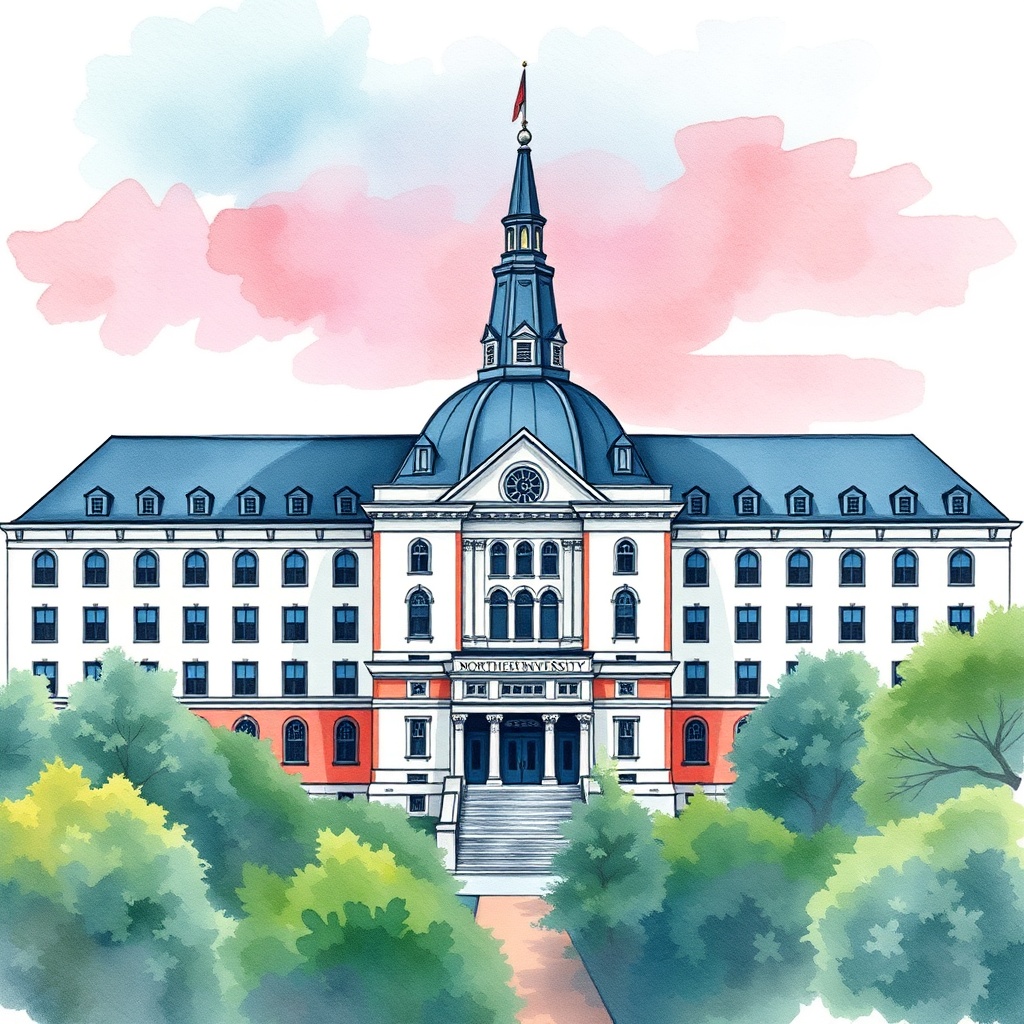
For those prioritizing hands-on experience, employer connections, and a curriculum designed to produce career-ready graduates, Northeastern’s model offers a clear pathway.
Prospective students should weigh program fit, available co-op and research opportunities, and the strength of industry ties to determine how well the university aligns with individual career goals.
Explore program pages, reach out to admissions and career services, and visit campus or virtual events to get a closer look at available opportunities.