Maine Coast Travel Guide: Lobster, Lighthouses, Island Hopping & Sustainable Tourism
Maine’s Coastal Revival: Lobster, Lighthouses, and Sustainable Tourism
Maine’s coastline remains one of the most compelling combinations of working waterfront and scenic escape. From bustling harbor towns to quiet rocky coves, the state balances a storied maritime heritage with a growing focus on sustainability, local food, and outdoor recreation. Whether you’re drawn by seafood, lighthouses, or island hopping, there are fresh ways to experience the coast that reflect changing tastes and conservation priorities.
Lobster and the evolving seafood economy
Lobster is central to Maine’s identity, but the industry has been evolving. Fishermen, processors, and regulators are adapting to shifting ocean conditions by experimenting with gear modifications, conserving breeding stock, and exploring value-added products such as smoked lobster, lobster rolls with regional twists, and direct-to-consumer shipping. Many coastal communities now host small seafood markets and “catch & cook” operations where visitors can buy fresh lobster straight off the boat.
Sustainable practices are more visible than ever: traceability, selective fishing practices, and collaborative science projects help keep the fishery resilient. For visitors who want a deeper dive, look for educational docks or cooperative-run sheds that offer tours, tastings, and explanations of day-to-day life on the water.
Culinary scene beyond the dock
Maine’s culinary reputation has expanded well beyond seafood. Urban centers, especially coastal ones, showcase innovative farm-to-table restaurants, craft breweries, and bakeries using local grain, dairy, and wild blueberries.
Chefs are blending traditional flavors with modern techniques, creating approachable tasting menus and casual seafood fare that highlight local producers.
Outdoor activities and soft adventure
The coast invites a range of outdoor pursuits. Kayaking among islands, coastal hiking on rugged trails, and whale-watching cruises are all easy to arrange. National parks and protected areas provide well-maintained trails and interpretive programs that cater to families and serious hikers alike. Island ferries connect a string of creative communities where galleries, artisan shops, and seasonal festivals enliven small harbors.
Iconic sights and slow travel
Lighthouses, working shipyards, and clam flats create quintessential photo opportunities. Iconic lights are accessible from short walks or scenic viewpoints, and many towns encourage slow travel—rent a bike, stroll waterfront promenades, or take a local ferry for a day trip to explore island life and quieter bays.
Practical tips for better travel
– Book lodging early for popular coastal towns and consider staying in a smaller inn or guesthouse for local insights.
– Pack layers and waterproof footwear; coastal weather can shift quickly.
– Support local businesses: buy seafood at docks, eat at neighborhood eateries, and visit farmers markets.
– Respect working waterfronts: watch for nets and traps, follow posted signage, and ask before photographing people at work.
– Plan activities around tides for best kayaking and shore-walking experiences.
Sustainable tourism and community resilience
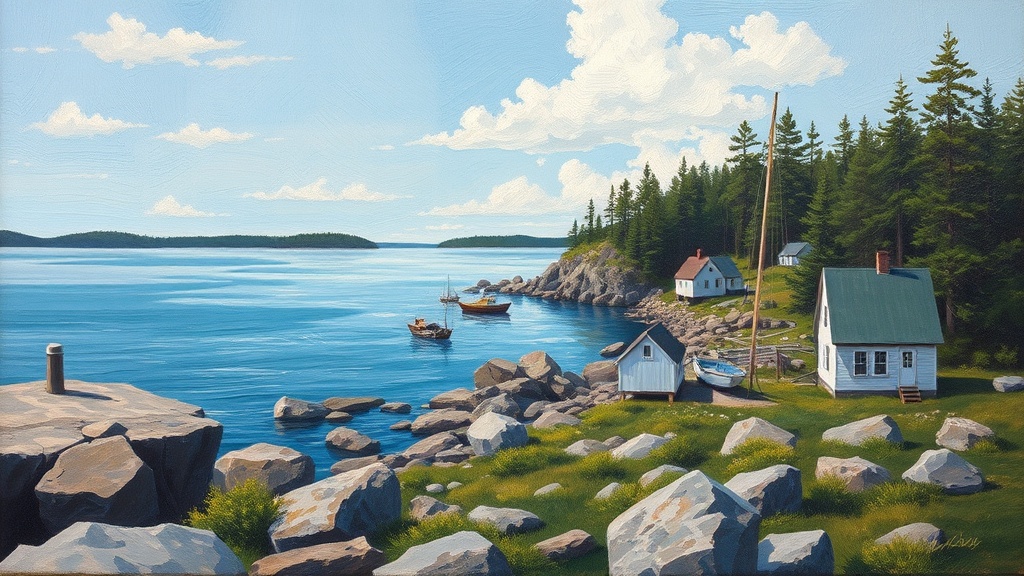
Communities are increasingly prioritizing resilience—managing visitor impact, supporting local fisheries, and investing in renewable energy and coastal conservation.
Visitors who choose locally owned accommodations and dining contribute directly to those efforts.
Look for certification programs and community-supported initiatives that promote sustainable practices.
Maine’s coast offers more than postcard views: it’s a living landscape where tradition and innovation meet. Whether you arrive for the food, the sea, or the quiet of an island trail, approaching the coastline with curiosity and respect makes for a richer visit and helps preserve what makes this place special.