New England Fall Foliage Guide: Best Drives, Leaf-Peeping Spots & Essential Tips
New England Fall Foliage: Where to Go, What to Do, and How to Make the Most of Leaf Peeping
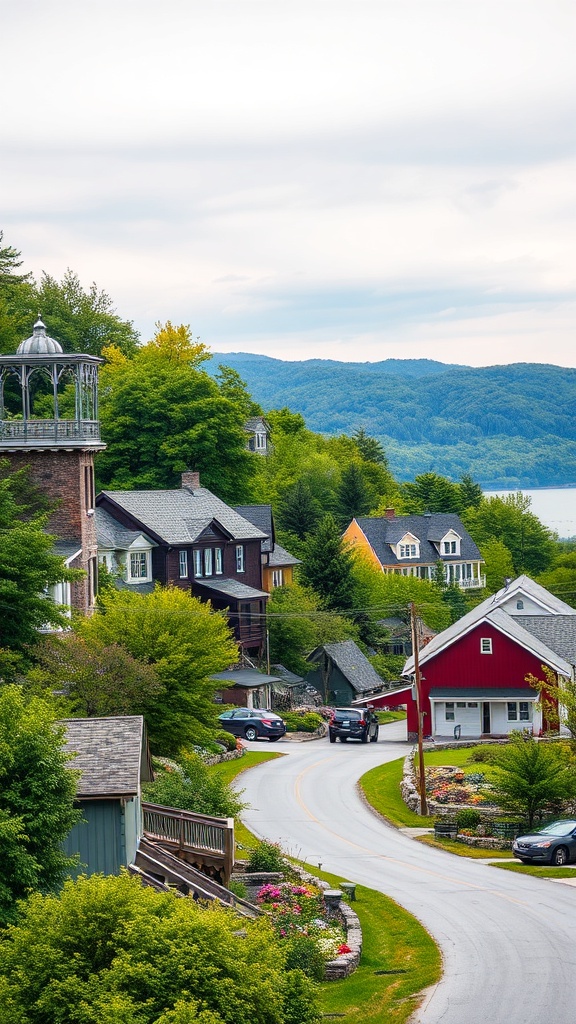
New England’s foliage season draws visitors for a reason: dramatic color shifts, scenic byways, and a mix of coastal and mountain landscapes that create unforgettable panoramas.
Whether you want a peaceful hike, a scenic drive, or a cider-and-donut pit stop, these practical tips and top spots will help you plan a better leaf-peeping escape.
Top drives and places to see fall colors
– White Mountains, New Hampshire: The Kancamagus Highway delivers continuous roadside views and easy access to short hikes and overlooks.
Stop at pullouts for photos, then explore small mountain towns for local eats.
– Green Mountains, Vermont: Route 100 threads through classic New England villages and rolling hills.
Combine scenic drives with a visit to a covered bridge or a farmstand.
– Mohawk Trail and Berkshires, Massachusetts: Winding roads, cultural towns, and lookout points make this region ideal for a day trip or weekend stay with galleries, music venues, and hilltop vistas.
– Acadia National Park and Maine coast: Coastal colors contrast with fiery maples on rugged headlands. Park Loop Drive and Cadillac Mountain offer sunrise and sunset vistas worth the early start.
– Connecticut and Rhode Island coastal drives: For a different vibe, coastal roads and seaside towns provide golden salt marshes and oak-lined streets—great for milder weather and smaller crowds.
What to pack and practical tips
– Layers are essential: temperatures can shift quickly between valley lows and mountain highs. Bring a waterproof shell, insulating mid-layer, and comfortable walking shoes.
– Time your trip wisely: Higher elevations change earlier than valleys, and coastal areas often peak later. Start early each day to catch soft morning light and avoid afternoon crowds.
– Parking and passes: Popular parks and trails can reach capacity. Check official park or town websites for parking information and permit requirements before you go.
– Respect nature and communities: Stick to trails, carry out trash, and be mindful of private property.
Support local businesses—farmstands, breweries, and inns benefit from responsible tourism.
Activities beyond the view
– Short hikes and overlooks: Choose routes that match your fitness level. Many scenic overlooks are accessible with minimal walking and still reward you with dramatic panoramas.
– Food and seasonal treats: Cider donuts, maple samples, and farm-to-table meals are part of the experience. Seek out small orchards and markets for fresh goods and unique souvenirs.
– Cultural stops: Galleries, historic sites, and local festivals add depth to the trip.
Check event calendars for small concerts, craft fairs, or harvest celebrations happening nearby.
– Outdoor adventures: Kayaking, biking, and zipline parks offer a different perspective on the colors—especially where rivers and lakes reflect the trees.
Avoiding crowds and maximizing photos
– Midweek mornings tend to be quieter than weekends. If you must go on the weekend, aim for dawn or late afternoon to avoid peak traffic.
– Use off-the-beaten-path state forests and local reservation lands for quieter experiences and often just-as-beautiful views.
– For photography, look for reflections in still water, framed shots using branches, and include a human element or foreground for scale.
Sustainability and safety
Plan with conservation in mind: stay on marked trails, keep group sizes reasonable, and travel with reusable bottles and bags. Cell coverage can be spotty in mountain areas—download maps and inform someone of your route if heading into remote sections.
With some planning and a flexible itinerary, New England’s fall landscape rewards visitors with vivid scenery, cozy local culture, and outdoor memories that last well beyond the season.