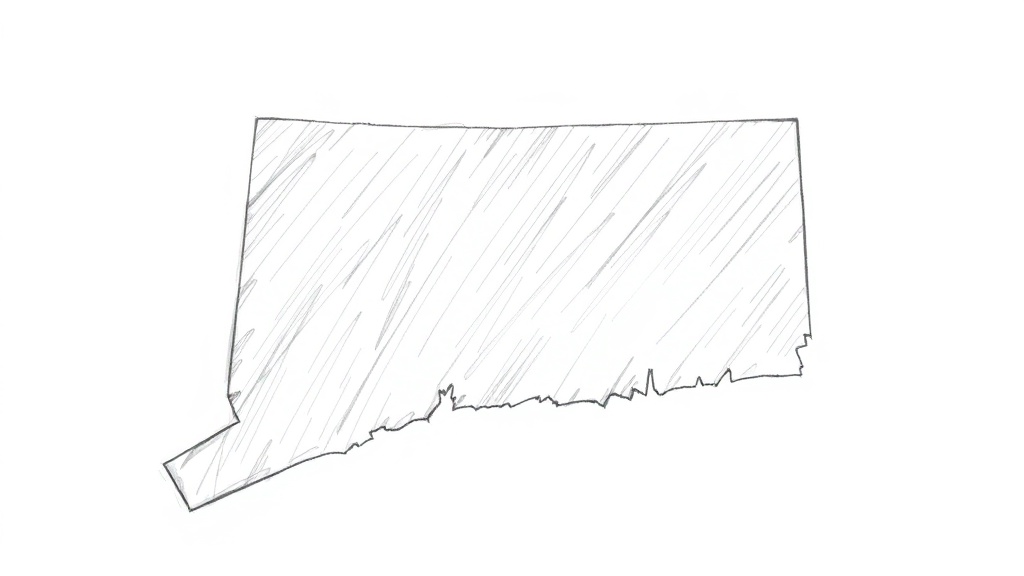
Connecticut Coast Resilience: Practical Nature-Based Steps for Communities and Homeowners
Rethinking Connecticut’s Coast: Practical Steps for Resilience
Connecticut’s coastline along Long Island Sound is a defining feature: scenic beaches, historic harbors, and vibrant shoreline communities.
That same coast also faces increasing risks from coastal storms, nuisance flooding, and gradual sea-level change. Building resilience doesn’t require grand gestures—practical, well-planned actions at the community and household levels can reduce damage, protect ecosystems, and preserve the coastal character that defines the state.
Understanding the risks
Shoreline communities experience a mix of acute events—storm surge and coastal storms—and chronic pressures like higher tides and more frequent nuisance flooding. Low-lying areas, eroding bluffs, and compromised wetlands are especially vulnerable. Infrastructure such as roads, wastewater systems, and public access points can become costly liabilities if not adapted proactively.
Nature-based solutions that work
Restoring and preserving natural coastal features offers long-term protection while supporting wildlife and recreation. Living shorelines—natural materials like marsh plantings and oyster reefs—absorb wave energy, reduce erosion, and filter water, providing a cost-effective alternative to hard seawalls.
Wetland restoration reconnects tidal flows, enhances flood storage, and boosts biodiversity.
Dune restoration and native beach grasses stabilize sand and create buffers for inland areas.
Smart planning and design
Municipalities can limit future risk by updating zoning, building codes, and land-use plans to reflect coastal hazard maps and projected storm patterns.
Strategies include elevating vulnerable structures, restricting development in floodplains, and creating green corridors that allow water to move without damaging property. Managed retreat—strategic relocation of structures from high-risk zones—paired with voluntary buyout programs can be the least expensive long-term solution for repeatedly flooded properties.
Protecting infrastructure
Critical assets such as sewage treatment plants, pumping stations, and major roads need targeted upgrades. Raising critical equipment above expected flood levels, hardening electrical systems, and incorporating redundancy into transportation routes reduces downtime after storms. Implementing permeable pavement, bioswales, and rain gardens in urban areas helps manage stormwater and reduces stress on drainage systems.
What homeowners can do
Start with a property-level vulnerability assessment.
Elevate utilities and major appliances where practical, install flood vents where allowed, and use flood-resistant materials for ground-floor renovations.
Landscaping can play a role: rain gardens and permeable surfaces reduce runoff; native plantings stabilize soils and withstand local conditions. Homeowners should review flood insurance policies and document property conditions before storms.
Funding and partnerships
A mix of federal, state, and private funding supports resilience projects, including grants for green infrastructure, technical assistance for local planning, and programs for community-led shoreline restoration.
Collaboration among towns, regional councils, universities, and conservation groups leverages expertise and resources.
Engaging residents early in planning builds local buy-in and yields solutions tailored to community values.
Balancing nature, culture, and safety
Connecticut’s coastal resilience is as much about protecting places and livelihoods as it is about preserving cultural heritage and public access. Thoughtful planning that integrates ecological restoration, updated infrastructure, and smart land use can keep coastal communities vibrant and safe.
Individuals and local leaders who prioritize practical, nature-based, and community-focused measures will be better positioned to weather storms and maintain the coast’s natural beauty for generations to come.