How Harvard Blends Research, Entrepreneurship, and Public Engagement to Drive Impact
Harvard remains one of the most visible names in higher education because it blends deep scholarly tradition with active innovation and public engagement. For students, researchers, alumni, and visitors, the university offers a mix of resources that support learning, entrepreneurship, and civic impact while also sparking ongoing conversations about access, sustainability, and the role of elite institutions in society.
What sets Harvard apart
Harvard’s appeal goes beyond prestige.
It’s a dense ecosystem: a wide range of schools and centers, one of the largest academic library systems anywhere, major museums open to the public, and an endowment that enables large-scale research and financial aid.
That mix fuels cross-disciplinary collaboration—engineers working with social scientists, medical researchers partnering with policy experts—so ideas can move quickly from theory to real-world pilot projects.
Research, public impact, and entrepreneurship
The university supports fundamental research across the sciences, humanities, and professional fields, while also emphasizing translation and practical application. Research centers and labs routinely partner with government, industry, and nonprofits, creating opportunities for students and faculty to tackle complex challenges in health, climate, technology, and governance.
Entrepreneurial resources like the innovation lab network encourage students to build ventures, test prototypes, and access mentors and seed funding. The culture rewards experimentation: entrepreneurship isn’t limited to startups—students can launch community projects, social enterprises, or research-based policy initiatives.
Learning resources and campus life
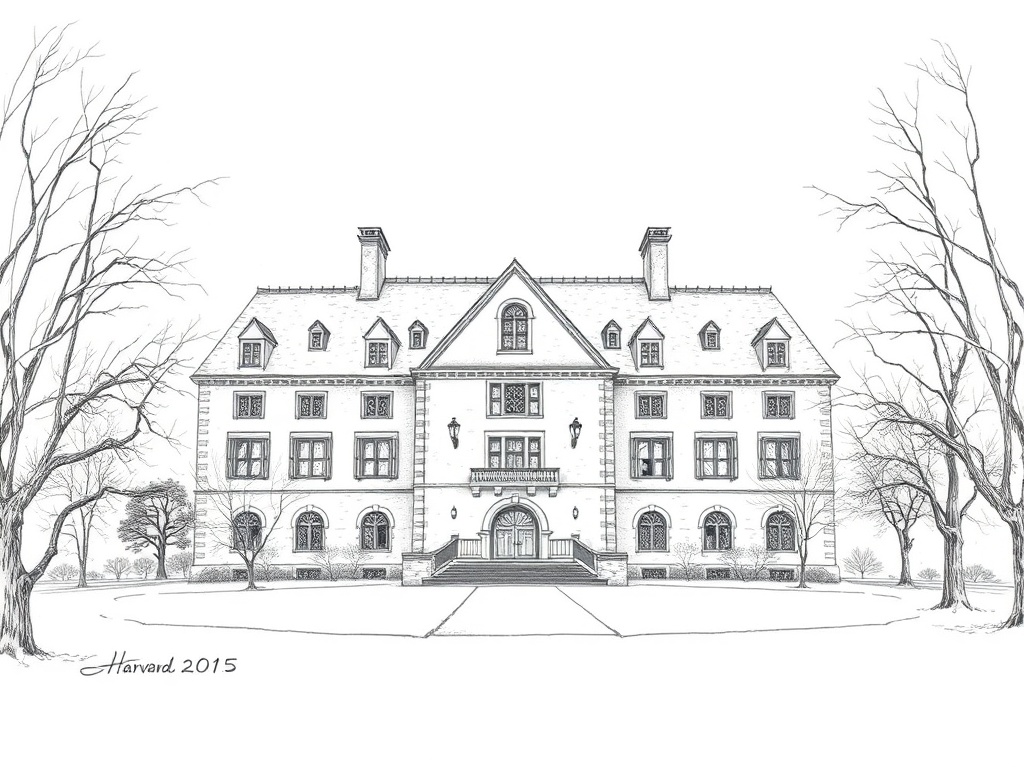
Academic life is complemented by rich, hands-on learning outside the classroom. The library system and special collections are a treasure trove for historians and digital-humanities projects; museums and public programs provide exhibitions and outreach; and a vibrant student life scene includes academic societies, athletics, cultural groups, and public service opportunities. Residential houses and advising structures aim to build smaller communities within a large university setting, helping students form networks that support both academic and personal growth.
Access, financial aid, and accountability
Access and affordability are constant topics of conversation. Financial aid programs and scholarship policies are designed to lower barriers for many applicants, and there are continued institutional efforts to make merit and need-based support more transparent and accessible. At the same time, debates about campus priorities—investment strategies, sustainability, and institutional responsibility—remain active among students, faculty, and alumni, reflecting a broader societal dialogue about higher education’s role.
How to make the most of Harvard
– If you’re a prospective student: focus on fit—show intellectual curiosity, leadership through action, and a clear sense of what you hope to pursue.
Explore undergraduate and graduate programs closely to match interests with available faculty and research opportunities.
– If you’re a current student: take advantage of cross-disciplinary centers, the i‑lab, libraries, and public programs. Seek out mentorships and internships that extend classroom learning into real-world projects.
– If you’re a visitor or alumni: check museum exhibitions, public lectures, and community events to tap into the university’s cultural and intellectual life.
Why it matters
Harvard’s model—combining deep scholarship, public engagement, and entrepreneurial support—creates a platform for innovation with broad societal reach. The institution’s challenges and debates are part of its strength: they push the community to reassess priorities and to translate knowledge into impact that matters beyond campus.