Vermont Maple Syrup: How It’s Made, Where to Taste It, and Why It Matters
Vermont Maple: A Taste of Place and a Model of Resilience
Vermont maple syrup is more than a pantry staple — it’s a cultural touchstone, an agritourism draw, and a lens into how a rural economy adapts to changing conditions. For travelers, food lovers, and anyone curious about sustainable foodways, Vermont’s sugarbushes offer a vivid example of craft, science, and community.
How maple syrup is made
Maple syrup starts with the sugar maple tree. Sap runs when nighttime temperatures drop below freezing and daytime temperatures rise above freezing, creating pressure changes that move sap up and down the tree. Sap is mostly water with a small percentage of sugar, so producers collect large volumes and boil them down until the sugar concentration reaches the right level. A common rule of thumb is that dozens of gallons of sap yield a single gallon of syrup, which explains why pure maple syrup commands a premium.
Modern techniques blend tradition and technology.
Many producers still operate wood-fired evaporators for that classic smoky taste, while others use reverse osmosis to remove water before boiling, saving fuel and time. Vacuum tubing systems transport sap from woods to sugarhouses more efficiently than buckets, expanding what small-scale operations can accomplish.
Grades, flavor, and uses
Maple syrup is graded by color and flavor intensity rather than sweetness.
Labels like Golden (delicate) to Very Dark (robust) help shoppers match syrup to culinary use. Lighter syrups suit pancakes and delicate desserts, while darker syrups stand up to savory glazes, barbecue sauces, and strong cheeses.
Beyond syrup, Vermont makers create a range of products: maple sugar, candy, cream, vinegars, and cocktail syrups. Look for “100% pure maple” labeling to avoid mixes that include corn syrup or artificial flavors.
Where to experience it
Sugarhouse tours and maple festivals are a great way to see production firsthand.
Walking through a sugarbush, watching sap boil in a sugarhouse, and sampling fresh syrup make for memorable outings.
Many operations combine tours with farm stores, craft stalls, and family-friendly events — ideal for planning a scenic day trip alongside hiking or a visit to a nearby town.
Sustainability and challenges
Maple production depends on a narrow climate window, making it sensitive to shifts in temperature patterns. Producers are adapting with a mix of strategies: moving taps to higher elevations, tapping a larger number of trees responsibly, improving energy efficiency with modern evaporators and reverse osmosis, and diversifying income through value-added products and visits. Forest health is also a priority; responsible management — including limiting tap numbers by trunk diameter and maintaining biodiversity — helps keep sugarbushes productive long term.
Why buy Vermont maple
Buying local maple supports small farms and keeps agricultural land in active use.
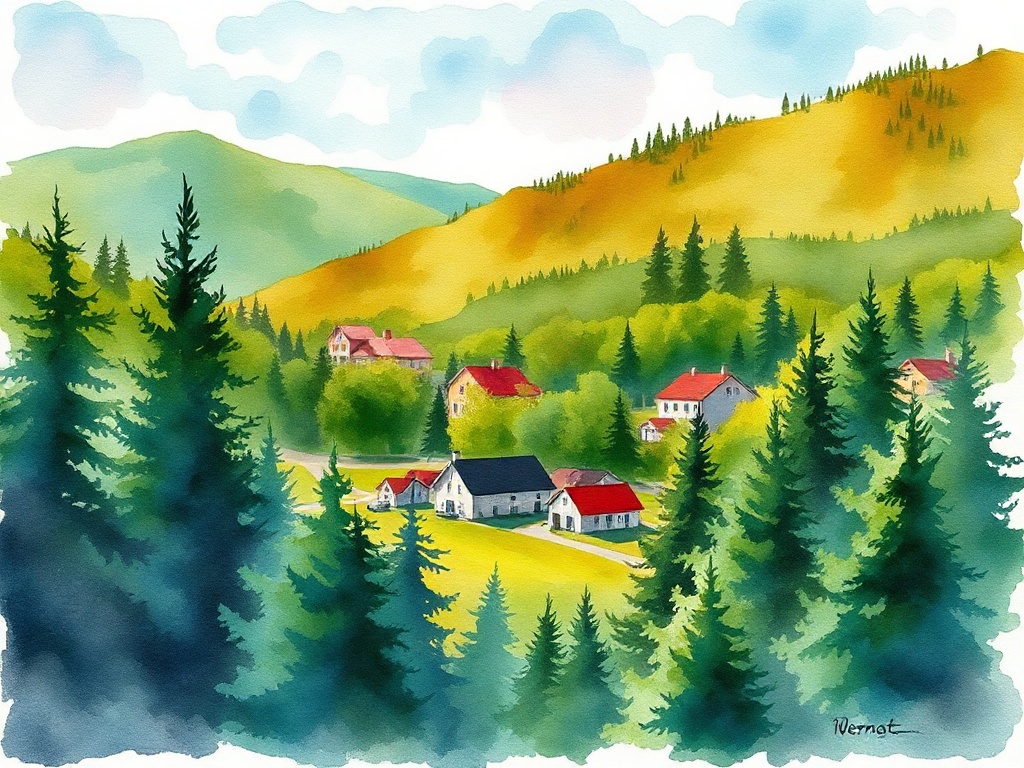
Vermont syrup, often made by multi-generational family operations, carries a story of place: a landscape of mixed forest, seasonal rhythms, and hands-on craft.
For gift giving, entertaining, or elevating everyday meals, pure maple syrup is both versatile and unmistakably regional.
Plan your visit or purchase
When looking for authentic Vermont maple, seek out local sugarhouses, farmers’ markets, and specialty shops. Many producers offer online ordering and shipping, making it easy to taste a piece of Vermont no matter where you live. Whether drizzled on breakfast or used as a glaze for an elegant entrée, Vermont maple brings concentrated flavor and a connection to place that’s hard to replicate.