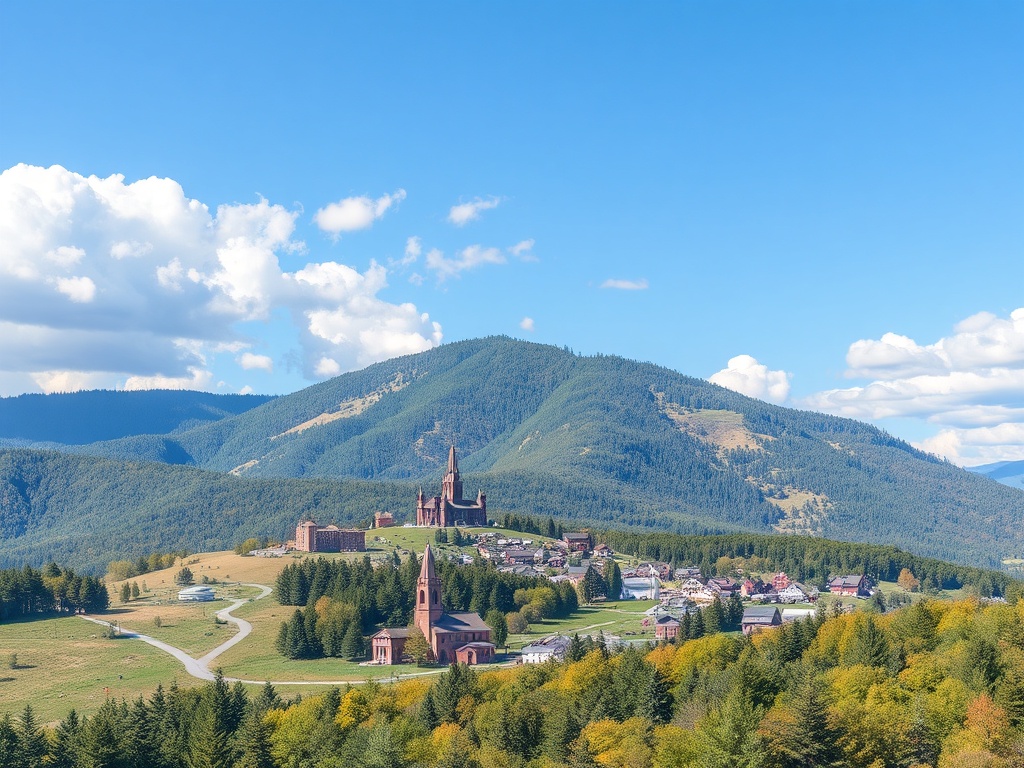
What to Do in Vermont: Fall Foliage, Outdoor Adventure & Farm-to-Table Eats
Vermont’s appeal blends rugged natural beauty with a deeply rooted culture of local food, outdoor recreation, and sustainable living. Whether someone is chasing fall foliage, sipping maple syrup at a roadside sugarhouse, or exploring small towns dotted along the Green Mountains, Vermont offers an experience that feels authentically New England.
Why Vermont stands out
Vermont’s scale and commitment to local enterprise give it a distinct character. Small farms, independent breweries, artisan cheesemakers, and family-run inns keep the local economy vibrant. Scenic drives and compact towns mean visitors can experience a mix of outdoor adventure and culinary discovery without long distances between destinations.
Outdoor recreation, any season
The state is synonymous with year-round outdoor opportunity. Mountain trails range from gentle lakeside walks to challenging ridge lines, and the network of multi-use trails supports hiking, mountain biking, snowmobiling, and groomed cross-country skiing. Rivers and lakes invite paddling and fishing, while the steep slopes of classic ski towns make alpine skiing and snowboarding accessible.
Top activities to try
– Hiking the ridgelines of the Green Mountains for panoramic views.
– Paddling on Lake Champlain or smaller inland lakes for wildlife watching.
– Biking scenic byways that wind through farmland and rolling hills.
– Sampling craft beer, cider, and farmstead cheeses along a food-focused route.
– Attending a community farmers’ market to meet producers and taste seasonal goods.
Food culture and farm-to-table
Vermont’s farm-to-table scene is more than a trend—it’s a way of life.
Local restaurants often feature menus that shift with the seasons, highlighting vegetables from nearby fields, pasture-raised meats, and award-winning cheeses.
Maple syrup production is a cultural touchstone; visiting a sugarhouse to see sap boiling and to taste fresh syrup is a memorable experience. For those who take food seriously, cheese trails and tasting rooms provide direct access to producers and the stories behind their products.
Small towns and cultural charm
Beyond natural attractions, Vermont’s towns offer galleries, craft shops, and cozy cafes.
Burlington’s waterfront and pedestrian-friendly downtown host concerts, street vendors, and a lively dining scene. Stowe and other mountain towns balance historic charm with outdoor-focused amenities. Festivals and community events—often centered on seasonal harvests or outdoor sports—are approachable ways to connect with local culture.
Sustainability and community values
Sustainability is woven into many aspects of Vermont life. Small-scale agriculture, renewable energy projects, and community-supported agriculture (CSA) programs reflect local priorities for resilience and stewardship. Visitors will notice an emphasis on locally sourced goods and a preference for independent businesses over large chains, which helps preserve the distinct character of each town.
Practical tips for planning a visit
– Pack layers and prepare for changing weather in mountain environments.
– Book accommodations in popular areas ahead of peak travel periods.
– Look for farmers’ markets and farm tours to get an authentic taste of local products.
– Respect private property and trail guidelines—many trails cross working farmland.
– Seek out off-the-beaten-path towns for quieter, more intimate experiences.
Vermont’s combination of scenic landscapes, food traditions, and community-driven living makes it a compelling destination for travelers who appreciate outdoor activity, quality local food, and small-town charm. Whether someone is planning a short getaway or a longer exploration, Vermont rewards curiosity with experiences that linger long after the journey ends.