Vermont Slow-Travel Guide: Outdoor Adventures, Maple Syrup & Small-Town Charm
Vermont: Where Outdoor Life, Maple Syrup and Small-Town Culture Thrive
Vermont blends rugged mountain landscapes, farm-to-table foodways, and a strong local culture into a compact state that rewards slow travel. Whether you’re chasing fall foliage, tasting fresh maple syrup, or seeking quiet outdoor escapes, Vermont’s appeal rests on its seasons, small towns, and community-driven hospitality.
Why Vermont draws visitors and new residents
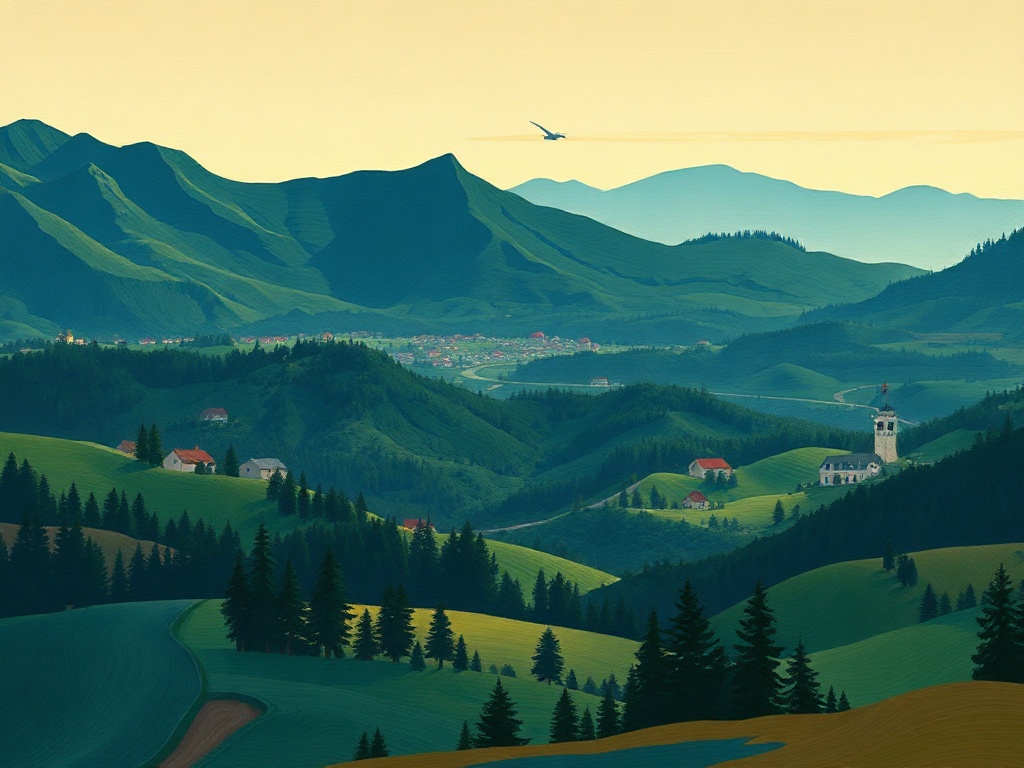
The Green Mountains carve a spine through the state, offering hiking, skiing, and scenic drives that feel intentionally low-key. Trails range from family-friendly walks to challenging ridgelines for experienced hikers.
Lake Champlain provides paddling, boating and sunsets that rival larger waterfront destinations but without the crowds. Winter enthusiasts find varied terrain across smaller, community-oriented ski areas that prioritize local character.
Maple syrup and farm-to-table culture
Maple sugaring is iconic here: sugaring seasons fill sugarhouses with sweet steam and often invite visitors for samplings and tours. Local farms supply abundant seasonal produce to farmers’ markets, farmstands and restaurants that emphasize seasonal menus. The farm-to-table movement isn’t a trend so much as a way of life—eateries often feature hyperlocal ingredients and connect directly with regional growers.
Small towns, covered bridges and craft culture
Vermont’s small towns—each with a distinct main street—are hubs for artisan goods, galleries and independent shops. Covered bridges and historic village greens create picture-postcard moments, while a thriving craft beer and cider scene offers tasting rooms and taprooms where brewers focus on quality and terroir. Independent bookstores, cooperatively run markets and community theaters make cultural life accessible and authentic.
Outdoor experiences for every pace
– Hiking: Extensive trail networks range from short nature walks to multi-day backcountry routes. Expect well-marked trails and generous trailhead access in parklands and preserved ridgelines.
– Winter sports: Small, approachable ski areas offer alpine skiing, cross-country networks and snowshoe trails. Many resorts double as summer recreation hubs.
– Water recreation: Lake Champlain and connecting rivers provide stellar kayaking, boating and fishing; islands and peninsulas reward exploration.
– Biking: Scenic byways and rail trails are ideal for relaxed cycling; mountain biking shines on purpose-built trails and technical backcountry routes.
Sustainable travel and community-focused tourism
Sustainability is woven into daily life: land conservation, locally sourced food and support for small businesses are common values. Visitors are encouraged to engage respectfully—shop local, patronize family farms, and follow Leave No Trace principles on trails. Agritourism experiences, like farm tours and maple demonstrations, let visitors connect directly with producers while supporting rural economies.
Practical tips for visiting
– Book lodging early for popular seasons and choose locally owned inns or B&Bs to support communities.
– Taste maple products at sugarhouses and check farmers’ market schedules for peak produce offerings.
– Pack layers—Vermont’s weather can shift quickly in mountain and lakeside microclimates.
– Respect private land and posted trail rules; many recreational areas are managed through partnerships between landowners and conservation groups.
Vermont’s quiet energy comes from a mix of preserved landscapes, engaged communities and a commitment to local craft and agriculture. For travelers seeking meaningful outdoor adventure, culinary discovery and the charm of small-town life, Vermont delivers a refreshing, unhurried experience that keeps people returning season after season.