How Northeastern University’s Co-op and Research Ecosystem Launches Career-Ready Graduates
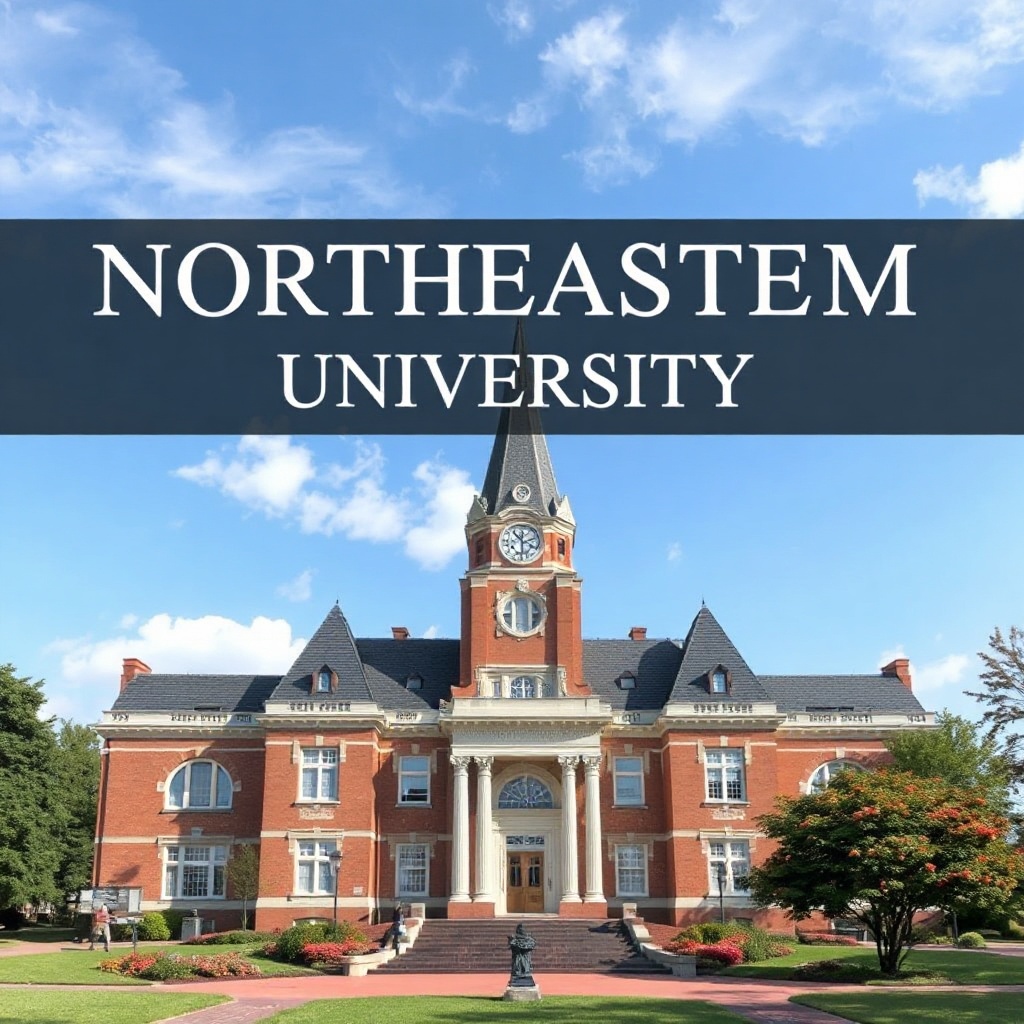
Northeastern University combines a research-intensive environment with one of the country’s most developed models of experiential learning, making it a standout option for students, employers, and researchers looking for practical impact. Known for its cooperative education program, campus in Boston, and expanding global network, Northeastern blends classroom learning with industry experience to prepare graduates for fast-changing careers.
A defining feature is the cooperative education (co-op) model, which integrates extended, paid work terms into many degree paths.
Through partnerships with employers across technology, finance, health care, government, and startups, students gain hands-on experience, build professional networks, and often convert co-ops into full-time roles after graduation. The co-op program’s scale and employer reach are a major draw for students seeking tangible career outcomes and for companies sourcing talent grounded in real-world problem solving.
Research and interdisciplinary collaboration are central to Northeastern’s identity. Colleges such as Khoury College of Computer Sciences and D’Amore-McKim School of Business work alongside specialized institutes to tackle challenges in artificial intelligence, cybersecurity, health sciences, and climate resilience. The Roux Institute and other industry-focused research hubs deepen ties between academia and regional tech ecosystems, accelerating the translation of research into products, policy, and new ventures.
Entrepreneurship thrives on campus through a robust ecosystem of accelerators, mentorship, and funding pathways. Student teams regularly participate in innovation programs and venture competitions that move ideas from prototype to market. Northeastern’s proximity to Boston’s Innovation District amplifies these opportunities—students and faculty can access a dense network of incubators, venture capital, corporate partners, and research hospitals that support commercialization and scaling.
Student life at Northeastern balances rigorous academics with active campus culture. Athletics, student organizations, and arts programs contribute to a spirited community identity centered on the Husky mascot. Campus facilities—libraries, labs, maker spaces, and collaborative classrooms—support both individual learning and project-based work. The university’s global reach through study-abroad and international campuses provides additional avenues for experiential learning and cultural immersion, allowing students to combine local industry experience with global perspectives.
Sustainability and civic engagement are increasingly integrated into campus priorities.
Research on urban resilience, clean energy, and sustainable design pairs with campus initiatives to reduce environmental impact and promote livable urban communities. Partnerships with city governments and nonprofit organizations extend student and faculty work into public-facing projects that benefit local neighborhoods.
For employers and researchers, Northeastern offers a pipeline of talent trained in applied skills, a collaborative research environment, and numerous partnership models—internships, sponsored research, joint labs, and innovation programs. For prospective students, the appeal lies in an education model designed to align academic learning with career readiness, plus access to entrepreneurial resources and a major metropolitan job market.
Whether the aim is to pursue advanced research, launch a startup, or enter the workforce equipped with real-world experience, Northeastern University emphasizes practical impact through integrated learning, strategic partnerships, and a campus ecosystem that connects ideas to action.