Boston Today: A Visitor and Newcomer’s Guide to Innovation, Neighborhoods, Transit, Food & Climate Resilience
Boston keeps drawing attention as a city that balances deep history with nonstop innovation. From the cobblestones of the Freedom Trail to the glass towers of the Seaport, the city is a compact showcase of culture, commerce, and climate-forward planning. Whether you’re visiting for work, study, or a weekend getaway, knowing what shapes Boston now makes the experience richer.
A powerhouse for innovation and life sciences
Boston’s innovation ecosystem remains one of its strongest assets. World-class universities and medical centers feed a vibrant startup scene concentrated in biotech, medtech, and clean energy. Lab space continues to expand across parcels that once housed industry, and investors stay active as companies spin out of university research. That makes Boston a magnet for talent, incubators, and conferences focused on everything from gene therapy to sustainable building materials.
Neighborhood pulse: Seaport, Fenway, and local favorites
Neighborhood development across Boston is dynamic. The Seaport District has transformed into a mixed hub of offices, restaurants, and public spaces, with waterfront promenades and cultural venues that attract tech and creative firms. Fenway remains a cultural and residential anchor beyond the ballpark, with music venues, museums, and a growing food scene.
For a more local feel, explore Jamaica Plain’s green spaces and independent shops, or head to Dorchester for diverse dining and waterfront access. Each neighborhood offers its own blend of old-New England charm and contemporary life.
Mobility and transit improvements
Getting around Boston is easier when you mix transit, walking, and micromobility. The MBTA continues to focus on service improvements and accessibility projects across subway lines and commuter rails. Bike lanes, pedestrian upgrades, and scooter programs have expanded, especially in denser neighborhoods and along popular corridors like the Esplanade and waterfront. For visitors, a transit pass plus comfortable walking shoes will cover most must-see areas; for locals, increasing options make car-free living practical in many parts of the city.
Climate resilience and green urbanism
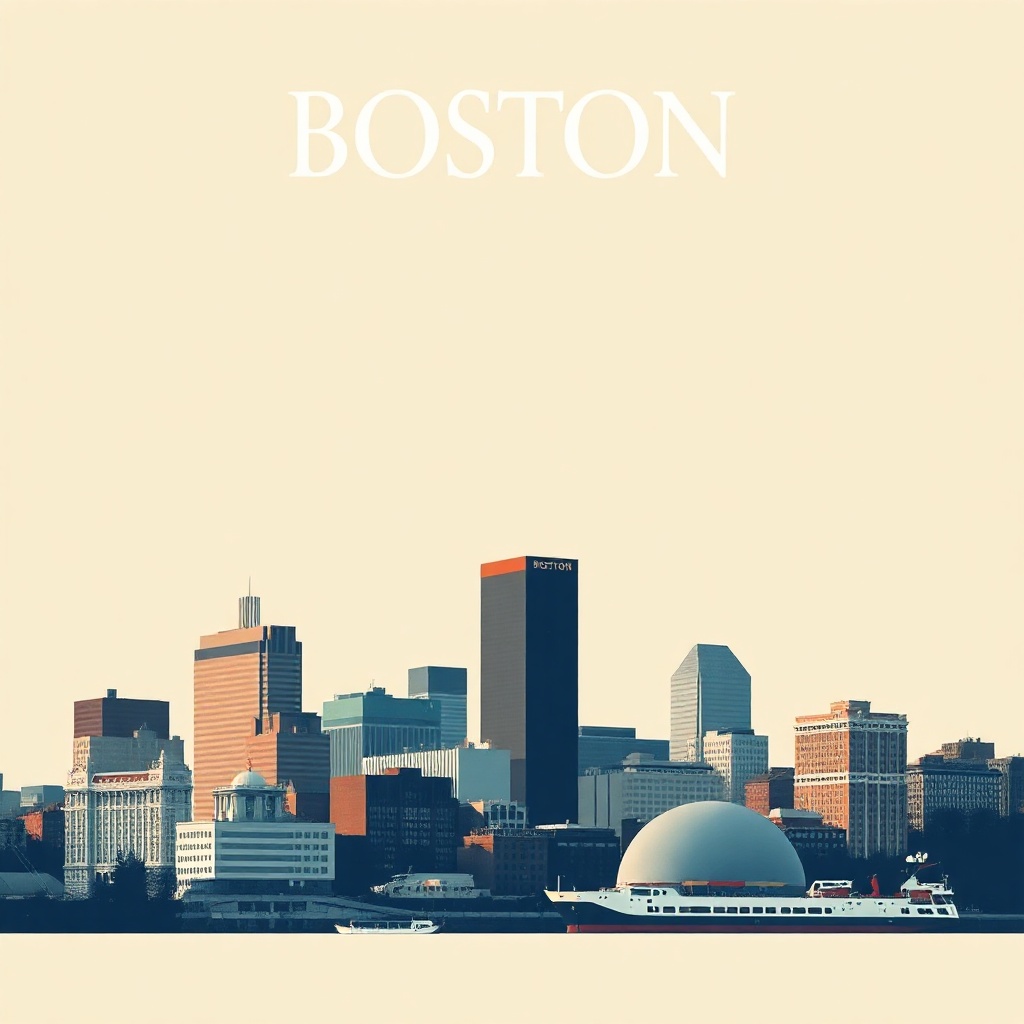
Boston is prioritizing resilience as sea levels and storm patterns change.
City initiatives emphasize seawalls, raised public spaces, and neighborhood-scale interventions to protect coastal communities while improving waterfront access. Green infrastructure—like bioswales, urban canopy programs, and incentives for energy-efficient retrofits—are becoming common planning tools. Developers and institutions are investing in flood-resistant design, which stretches from the waterfront into inland districts.
Culture, food, and sports
Culturally, Boston offers an abundance of theaters, museums, and music venues.
The museum scene spans major encyclopedic institutions to niche galleries and historical houses. Food is a major draw: from seafood-forward menus and oyster bars to a thriving scene of international restaurants and farm-to-table spots. Sports culture is ingrained—attending a game or simply visiting a famed stadium neighborhood captures the communal energy that defines much of the city’s public life.
Tips for visiting or moving to Boston
– Plan travel around transit service windows and local events; some weekends bring large crowds.
– Explore beyond downtown: neighborhood walking tours reveal local markets, street art, and cafes.
– Take advantage of waterfront paths for running or biking—the views and public spaces are a highlight.
– If renting or relocating, consider commute times and transit connections rather than pure square footage.
Boston’s enduring appeal comes from layering innovation on top of history and making public space a priority. Whether you’re interested in career opportunities, a cultural weekend, or climate-forward urbanism, Boston offers a compact, walkable cityscape that rewards exploration.