Boston Travel Guide: Explore Historic Neighborhoods, Top Attractions, Food & Transit Tips for a Walkable City
Boston packs history, culture, and modern energy into a compact, walkable city that rewards both first-time visitors and longtime residents.
Whether you’re drawn by world-class museums, a thriving food scene, or easy access to outdoor water activities, Boston delivers variety within short distances—perfect for exploring on foot, by bike, or via the MBTA.
Neighborhoods and vibes
– Beacon Hill: Narrow, gas-lit streets and brick rowhouses create one of Boston’s most picturesque neighborhoods. Stroll Charles Street for boutique shops, antique stores, and cozy cafés.
– Back Bay: Elegant brownstones, the shopping stretch of Newbury Street, and architectural landmarks like Trinity Church make this a blend of retail and culture.
– South End: Known for its dining scene and art galleries, the South End is a great choice for neighborhood strolls and weekend brunch.
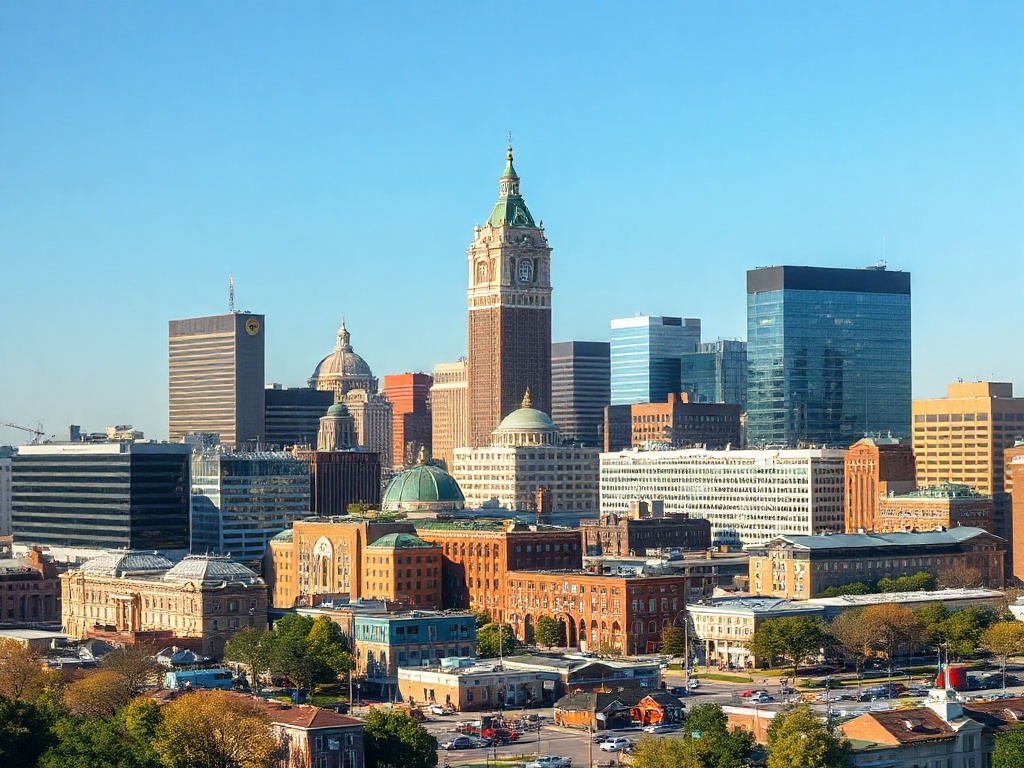
– Seaport: Modern waterfront development, lively dining, and event spaces define this area—ideal for waterfront walks and sunset views.
– Fenway & Kenmore: Home to Fenway Park and a buzzing nightlife, this area mixes sports energy with student life.
– Cambridge (across the river): Harvard Square and Kendall Square bring bookstore-lined streets, startups, and café culture just a short transit ride away.
Must-see attractions
Follow the Freedom Trail to hit key Revolutionary-era sites, or linger at institutions like the Museum of Fine Arts, the Isabella Stewart Gardner Museum, and the Museum of Science.
The Boston Public Garden’s swan boats, the New England Aquarium, and a tour or game at Fenway Park round out classic experiences. For fresh air, walk the Esplanade along the Charles River, explore the Harborwalk, or take a ferry to the nearby harbor islands for quiet trails and beaches.
Getting around
Boston’s compact core makes walking a top choice. For longer trips, use the MBTA subway lines, buses, commuter rail, and ferries—grab a reloadable transit card for convenience.
Bike-share programs provide an eco-friendly way to cover short distances, and many neighborhoods are increasingly bike- and pedestrian-friendly.
During busy periods, plan extra time for transit and consider off-peak visits to popular spots.
Food and drink
Seafood is a must: clam chowder, lobster rolls, and fresh oysters are everywhere. The North End is the go-to for Italian pastries and family-run trattorias, while Chinatown offers dumplings and pan-Asian menus. The city’s restaurant scene stretches from Michelin-recognized tasting menus to casual seafood shacks and food markets. Reservations are recommended for high-demand restaurants, and exploring neighborhood markets or seasonal food festivals is a great way to sample local flavors.
Practical tips
– Pack layers: coastal weather can change quickly, and breezes off the harbor make lightweight outerwear useful.
– Wear comfortable shoes: cobblestone streets and uneven sidewalks are common in historic neighborhoods.
– Book ahead for museum tickets and popular restaurants to avoid long waits.
– Explore beyond downtown: neighborhoods like Dorchester, Jamaica Plain, and Somerville offer authentic local culture, green spaces, and food spots with fewer tourists.
Innovation and lifestyle
Boston’s concentration of universities, hospitals, and research centers sustains a dynamic job market, especially in life sciences and technology. That energy shows in creative pop-ups, co-working spaces, and community events that pop up across neighborhoods, making the city appealing for both visitors and newcomers.
Whether you’re after history, a cutting-edge food scene, scenic outdoor time, or a taste of academic and startup culture, Boston offers a compact, layered experience that’s easy to tailor to your interests.