How Vermont Maple Syrup Producers Are Adapting to Climate Change — and Why It Matters
Vermont Maple Syrup: How Producers Are Adapting and Why It Matters
Vermont maple syrup is more than a sweet pantry staple — it’s an agricultural tradition woven into local economies, tourism, and forest stewardship.
As weather patterns shift and consumer demand grows for traceable, sustainable foods, Vermont’s sugaring community is evolving to protect both quality and livelihoods.
What’s changing in the sugarbush
Maple sap flow depends on a dependable cycle of freezing nights and thawing days.
Fluctuating temperatures have shortened and shifted that window, creating unpredictability for producers.
At the same time, pressure from invasive insects, tree health concerns, and changing precipitation patterns are altering the long-term dynamics of maple stands. Those shifts mean that maintaining consistent yields requires new tools and strategies.
Practical adaptations on the ground
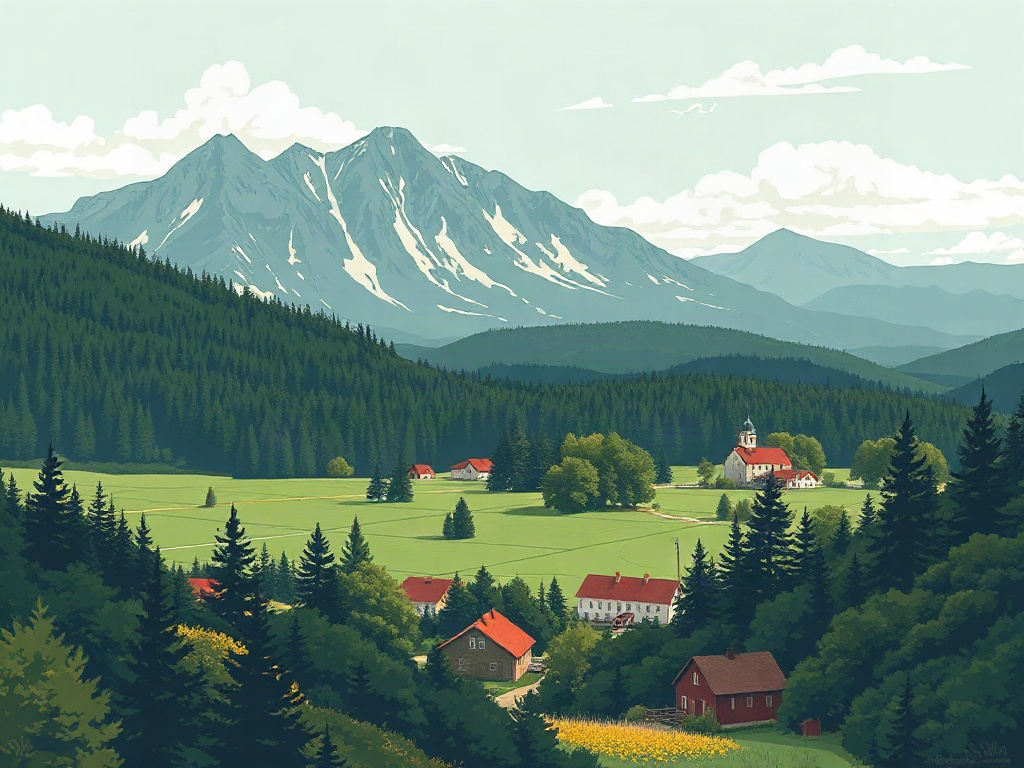
Producers are investing in technologies and practices that boost efficiency and resilience. Common adaptations include:
– Vacuum tubing systems: Mechanical sap extraction increases sap yield per tap and reduces labor, helping offset variable sap runs.
– Reverse osmosis: Concentrating sap before evaporation saves fuel and time, reducing the carbon and cost footprint of syrup production.
– Improved evaporators: High-efficiency evaporators and better heat-recovery systems cut fuel use, whether wood, oil, or biomass is the energy source.
– Data-driven timing: Weather monitoring, sap-flow sensors, and local forecasting help operators hit optimal tapping windows and plan staffing.
– Forest management: Thinning and selective harvesting can improve tree health and sugar content over time; many producers are practicing sustainable forestry to keep sugarbushes productive for future generations.
Diversification and business resilience
Many sugar makers are expanding beyond syrup to stabilize income.
Value-added products — candies, creams, baked goods, and infused syrups — increase margin and attract new customers. Agritourism plays a role: sugarhouse tours, tastings, and seasonal events bring visitors and create direct-to-consumer sales that reinforce local brand value. Cooperatives and farmer networks provide shared processing facilities, marketing clout, and knowledge exchange, making it easier for smaller operations to thrive.
Sustainability as a selling point
Consumers increasingly seek transparency and sustainable sourcing.
Vermont producers often leverage local provenance, small-batch production, and responsible forest practices to differentiate their syrup. Certifications, clear labeling, and storytelling about the sugarhouse and the people behind the product strengthen market appeal.
Reducing energy use and tracking carbon inputs are becoming part of the sustainability narrative that consumers value.
What visitors and buyers can do
Supporting Vermont maple means looking for authentic local labeling, buying directly from sugarhouses or farmers’ markets when possible, and choosing products with clear production practices. Visiting a sugarhouse during the season offers insight into how syrup is made and why those methods matter.
Small purchases help maintain local economies and reward producers investing in sustainable practices.
The bigger picture
Maple sugaring sits at the intersection of agriculture, forestry, and climate. Adaptation is already underway through technology, smarter forest management, and diversified business models. Those changes aim not just to preserve a beloved flavor, but to sustain communities and landscapes that depend on healthy sugarbushes. For anyone who cares about food traditions, local economies, and working forests, supporting Vermont maple is an easy and meaningful choice.